 Daniel Ashworth
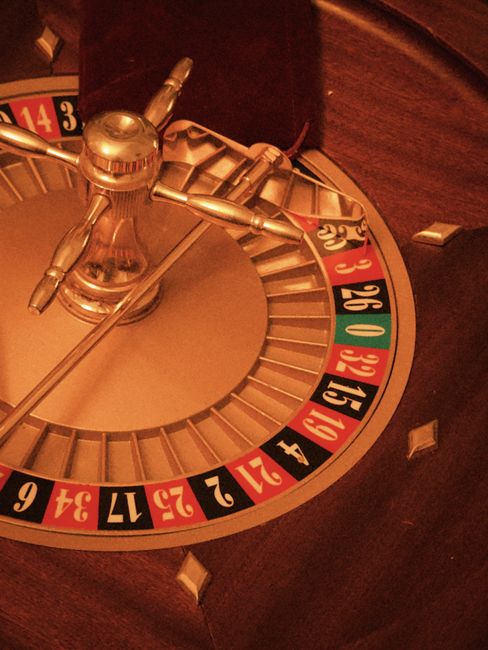
Walk into any casino floor in Macau, Las Vegas, or even a digital lobby at 2 a.m., and one truth holds: slots are the engine. They generate roughly 60–70% of casino gaming revenue in most regulated markets, and online they’re even more dominant. In the UK alone, online slots account for around £3.5 billion in annual gross gambling yield. But why do spinning reels still beat poker tables and sportsbooks? And what should a smart player actually watch for in 2025? Let’s break it down without the hype.
The Math Behind the Magic (RTP, Volatility, and Hit Frequency)
Every slot you play is a math model dressed in bright colors. The Return to Player (RTP) percentage tells you what a machine pays back over millions of spins — usually 94–97% online, lower on land-based. A 96% RTP means the house edge is 4 pence per £1 staked. Over an hour of £1 spins at 500 spins per hour, that’s a theoretical loss of £20. Not exciting, but honest.
Volatility is the other lever. Low volatility slots like Starburst pay small wins frequently — good for stretching a bankroll. High volatility monsters like Money Train 4 or San Quentin can go 200 spins without a hit, then drop a 10,000x win. Beginners often confuse a dry streak with a cold machine. The truth: each spin is independent. There is no memory. No slot ‘knows’ it owes you.
- RTP is long-term average, not a promise for your session.
- Volatility shapes session experience, not overall profitability.
- Hit frequency is how often any win triggers — often 20–30%.
Why Slots Beat Poker for Most Recreational Players
Poker rewards study, patience, and emotional control. Slots reward two clicks. That’s not a knock — it’s reality. A casual player with a £50 budget can spin for an hour and chase a bonus feature. A poker player with the same bankroll might lose it in three bad hands against a shark. Poker has a skill edge, but that edge takes months to develop and only pays if you can find softer tables. Online slots have zero learning curve, real-time outcomes, and bonus rounds that feel like mini-events. That sensory loop — flashing lights, near-misses, soundtrack swells — is engineered. The near-miss effect, where two scatters land and the third just misses, activates the same brain regions as an actual win. It keeps you spinning. Knowing that doesn’t make you immune, but it helps you set firm loss limits before you start. There is a useful overview at สล็อตเว็บตรง.
Sportsbook vs Casino: Where the Money Actually Flows
In mature markets like the UK, sports betting gets the headlines — especially around the Premier League and Grand National. But casino games, led by slots, quietly bring in more net revenue for operators. The reason is margin and frequency: a football accumulator has a house edge of 5–10%, but it resolves in 90 minutes. A slot with a 4% house edge can be played hundreds of times per hour. Volume beats margin. That’s why operators push free spins, deposit bonuses, and VIP schemes toward slots, not just match-day odds boosts. If you prefer betting on correct scores or Asian handicaps, you’re in a different ecosystem. Both are valid, but the slot machine is the casino’s cash register.
Bonus Buys: Convenience or Trap?
Bonus buy features — where you pay 100x your stake to skip straight to the free spins round — are now standard. Some jurisdictions ban them (the UK restricted them in 2021), but they remain popular elsewhere. The pitch is simple: no waiting for three scatters. The catch? You’re paying exactly what the math says the feature is worth, minus the RTP edge. A £1 spin with a 96% RTP means a £100 bonus buy returns £96 on average. You’re not buying an edge. You’re buying variance, fast. My advice: treat bonus buys as entertainment, not strategy. If you have a £200 bankroll, a single £100 buy-in leaves you little room for error. Use them sparingly, and only on slots you’ve researched.
Live Poker and Slots: Two Sides of the Same Coin
Live dealer poker — especially Texas Hold’em and Omaha — attracts a different personality: analytical, patient, competitive. Slots attract thrill-seekers. But there’s crossover. Many slot players dabble in low-stakes sit-and-go tournaments for the social element. And poker players often spin a few reels to unwind after a bad beat. The smartest players understand that both games share one rule: the house always has an edge, so manage your time and money deliberately. If you’re playing live poker, track your hourly rate. If you’re playing slots, track your spins per minute and average bet. Data beats feelings every time.
Choosing a Slot in 2025: A Practical Checklist
Not all slots are built the same. Some are predatory, with 88% RTP and brutal volatility. Others are fair, transparent, and fun. Here’s how to sort them:
- Check the RTP — look for 96% or higher. It’s in the game info panel, not the marketing copy.
- Understand volatility — low for long sessions, high for jackpot dreams. Match it to your bankroll.
- Test the demo — play 100 free spins. If you’re bored or frustrated, don’t deposit.
- Set a loss limit — decide before you play. £20, £50, whatever. Stop when it’s gone.
- Avoid ‘hot’ or ‘cold’ myths — RNGs don’t care about your last spin.
- Use bonuses wisely — read wagering requirements. 40x on a £10 bonus means £400 of spins before withdrawal.
One more tip: provably fair slots, often found on crypto casinos, let you verify each spin’s outcome using cryptographic hashes. It’s not for everyone, but it’s the closest thing to transparency in iGaming. If trust matters to you, that’s a real differentiator.
The Bottom Line: Play the Player, Not the Game
Slots, poker, betting — they’re all products. The operators study your behavior, A/B test bonus offers, and optimize for session length. You don’t have to beat them. You just have to avoid beating yourself. Set limits, understand the math, and treat the whole thing as paid entertainment. The moment you’re chasing losses or convinced a machine is ‘due’, you’ve already lost — not to the RNG, but to your own psychology. Spin for fun, bet what you can afford, and walk away when the fun stops. That’s the only edge that lasts.


